
Tampering with electricity: risk, fines, and the dilemma of energy fraud
With high electricity prices, electrical fraud is on the rise. Fines of up to 2,000 euros and new detection technologies are involved. Is the risk worth it?
English · Original discussion in Spanish · Published
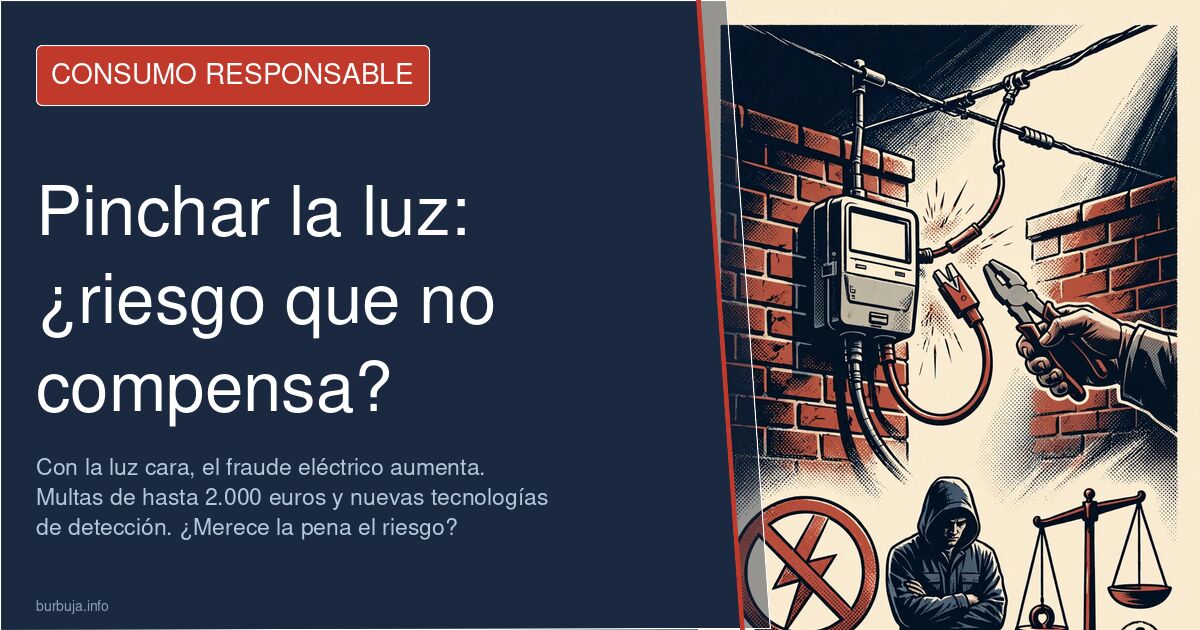
The electricity fraud: the risk, the fine, and the growing temptation
Tampering with electricity is a crime. With soaring electricity prices, the temptation to save on bills spreads. Some calculations suggest that if the maximum fine is 2,000 euros or the amount defrauded in the previous year, it might compensate. The reality is more complex: companies have tools to detect fraud, and the risk is not only economic.
How it works and why detection is possible
The most common method is bypassing the meter so it doesn't register actual consumption. With modern digital meters, utilities monitor discrepancies between the energy injected into the grid and the sum of consumers' usage. In areas with more sensors, losses exceeding 40% are detected. Another variation is direct connection to the service entry or the public lighting line. In one cited case, an electrician was fined 1,500 euros for bypassing old meters.
New meters also flag if they are manipulated.
A curious anecdote: in an old apartment in Barcelona, a tenant lived for years without paying for electricity thanks to 125V and transformers for each appliance—an installation inherited from an electrical company employee. The trick of using a powerful magnet to slow down the meter disc is also told, though that remains in the realm of urban legends.
The risk of being caught
It is not always easy to detect tampering, but technology makes it increasingly difficult to maintain. Remotely controlled transformation centers send cut-off orders to the meters and measure if there is voltage upstream, which betrays manipulation. Yet, some have gone years without paying. There are cases of people with 7 years of unpaid bills at their primary residence, or the tenant who left an apartment with a bypassed meter after a decade of free consumption. Neighbors also play their part: a community seeing its bill increase may end up filing a complaint.
Between protest and risk
Some justify it as a response to rising electricity costs and the behavior of large energy companies. It is argued that the system is designed to protect the big players, and that everyone ultimately pays for the fraud on their bill. Others reject it on ethical grounds and due to risk: losing a salary payment is not worth it.
There is also the alternative of the social bonus for vulnerable situations, or isolated photovoltaic installations, although their initial cost is around 10,000 euros.
Electrical fraud will not disappear as long as bills keep rising and controls are uneven. But digital meters and sensors in the network reduce the window of impunity. The question is whether the savings compensate for the risk. Time will likely provide the answer.
Tampering with electricity is a crime. With soaring electricity prices, the temptation to save on bills spreads. Some calculations suggest that if the maximum fine is 2,000 euros or the amount defrauded in the previous year, it might compensate. The reality is more complex: companies have tools to detect fraud, and the risk is not only economic.
How it works and why detection is possible
The most common method is bypassing the meter so it doesn't register actual consumption. With modern digital meters, utilities monitor discrepancies between the energy injected into the grid and the sum of consumers' usage. In areas with more sensors, losses exceeding 40% are detected. Another variation is direct connection to the service entry or the public lighting line. In one cited case, an electrician was fined 1,500 euros for bypassing old meters.
New meters also flag if they are manipulated.
A curious anecdote: in an old apartment in Barcelona, a tenant lived for years without paying for electricity thanks to 125V and transformers for each appliance—an installation inherited from an electrical company employee. The trick of using a powerful magnet to slow down the meter disc is also told, though that remains in the realm of urban legends.
The risk of being caught
It is not always easy to detect tampering, but technology makes it increasingly difficult to maintain. Remotely controlled transformation centers send cut-off orders to the meters and measure if there is voltage upstream, which betrays manipulation. Yet, some have gone years without paying. There are cases of people with 7 years of unpaid bills at their primary residence, or the tenant who left an apartment with a bypassed meter after a decade of free consumption. Neighbors also play their part: a community seeing its bill increase may end up filing a complaint.
Between protest and risk
Some justify it as a response to rising electricity costs and the behavior of large energy companies. It is argued that the system is designed to protect the big players, and that everyone ultimately pays for the fraud on their bill. Others reject it on ethical grounds and due to risk: losing a salary payment is not worth it.
There is also the alternative of the social bonus for vulnerable situations, or isolated photovoltaic installations, although their initial cost is around 10,000 euros.
Electrical fraud will not disappear as long as bills keep rising and controls are uneven. But digital meters and sensors in the network reduce the window of impunity. The question is whether the savings compensate for the risk. Time will likely provide the answer.
Summary of a discussion on Burbuja.info - Foro de economía, actualidad y política., translated from Spanish and reviewed before publication. Read the full discussion (75 replies).
More summaries
-
Used electric car: the battery dictates the resale price
An EV with 4 years and less than 30,000 km is already being sold: the battery, with 160,000 km of lifespan, determines its resale value.
-
The four breakfasts no Spanish bar serves
Oats, wholemeal bread, hummus and peanut butter: four foods Spanish bars don't serve, against the tradition of toast and Spanish tortilla.
-
Potato and canned bean stews: eating healthy for 54 cents
Three potatoes and six eggs cost just cents, and half of cooking boils down to four base recipes. Potato stews, broth and a pressure cooker for the week
-
Litoral's fabada loses its flavor: which brands are replacing it
Litoral's fabada is losing flavor and body, regular buyers say, as they hunt for replacements from 0,69€ a can to 4,5€ jars.
-
Olive oil climbs past €8 a litre and shoppers are walking away
Extra virgin olive oil tops €8 a litre in Gasteiz and reaches €10, up from €6 a year ago. More and more shoppers are taking it off their lists
-
A Land Rover and 20.000 euros in repairs in just four years
Mireia has spent about 20.000 euros on repairs to her Land Rover, with only 173.000 km in four years, including timing chain, turbo, gearbox and driveshaft