
Sánchez’s Congress Provocation and Opposition’s Passivity Over Migration Crisis
Sánchez faces criticism for mocking opposition during his Congress appearance, amid accusations of submission to Morocco and a worsening migration crisis.
English · Original discussion in Spanish · Published
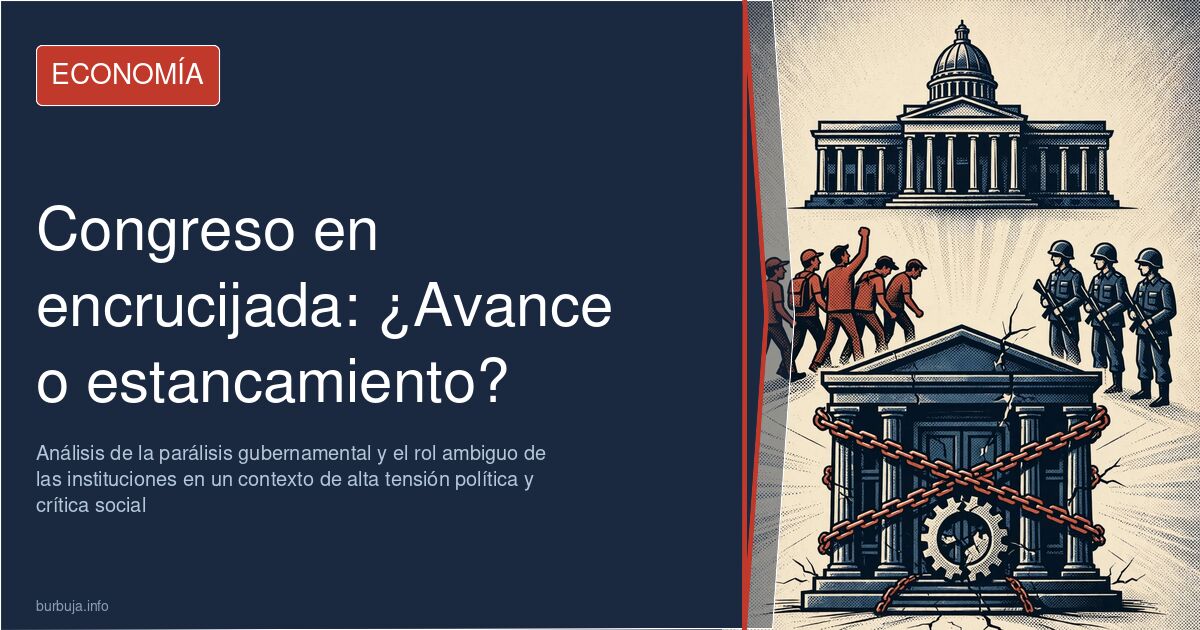
Sánchez mocks opposition in Congress while migration crisis worsens
A defining paradox marks these days: while the migration crisis intensifies at the southern border and the Prime Minister is accused of yielding to Segarro, his appearance in Congress has become a spectacle of contempt for the opposition. Critics argue that Sánchez mocks his adversaries, laughs at half the country, and faces no consequences.
Accusations of submission to Segarro
The debate centers on border management. Critics claim Sánchez handed over the Sahara to Segarro without Congress’s approval and gave Gibraltar to the UK. They accuse the Prime Minister of acting as Rabat’s puppet, even ordering military personnel to open gates to create a crisis that wears down the opposition. Comparisons to the 11M attacks are inevitable: back then, protests erupted under claims of government lies. Now, critics say the opposition fails to mobilize citizens, noting that Aznar stated the masterminds were not in distant mountains, suggesting the opposition should say they are not in distant steppes.
The economy as backdrop
Meanwhile, the economy remains the backdrop. A self-employed worker can earn 3,000 euros monthly, while an IMV recipient receives 733. Inequality worsens and public debt grows, yet public debate focuses on the border. The government is accused of implementing savage liberal capitalism, with the Prime Minister as Spain’s most pro-capitalist leader. Paradoxically, opposition voters, it is claimed, benefited most over eight years, yet demonstrate only lightly. Sánchez’s past role as a Caja Madrid advisor during bank bailouts is also raised without conclusive proof.
The role of the military and security forces
The military and security forces are accused of passivity, acting as mere mercenaries of their public salary. Critics argue they obey orders from a government acting against national interests, potentially committing treason by trinc them. The question is whether citizens will react or if passivity becomes the new normal. The feeling that the official narrative prevails without resistance grows stronger. For how long?
A defining paradox marks these days: while the migration crisis intensifies at the southern border and the Prime Minister is accused of yielding to Segarro, his appearance in Congress has become a spectacle of contempt for the opposition. Critics argue that Sánchez mocks his adversaries, laughs at half the country, and faces no consequences.
Accusations of submission to Segarro
The debate centers on border management. Critics claim Sánchez handed over the Sahara to Segarro without Congress’s approval and gave Gibraltar to the UK. They accuse the Prime Minister of acting as Rabat’s puppet, even ordering military personnel to open gates to create a crisis that wears down the opposition. Comparisons to the 11M attacks are inevitable: back then, protests erupted under claims of government lies. Now, critics say the opposition fails to mobilize citizens, noting that Aznar stated the masterminds were not in distant mountains, suggesting the opposition should say they are not in distant steppes.
The economy as backdrop
Meanwhile, the economy remains the backdrop. A self-employed worker can earn 3,000 euros monthly, while an IMV recipient receives 733. Inequality worsens and public debt grows, yet public debate focuses on the border. The government is accused of implementing savage liberal capitalism, with the Prime Minister as Spain’s most pro-capitalist leader. Paradoxically, opposition voters, it is claimed, benefited most over eight years, yet demonstrate only lightly. Sánchez’s past role as a Caja Madrid advisor during bank bailouts is also raised without conclusive proof.
The role of the military and security forces
The military and security forces are accused of passivity, acting as mere mercenaries of their public salary. Critics argue they obey orders from a government acting against national interests, potentially committing treason by trinc them. The question is whether citizens will react or if passivity becomes the new normal. The feeling that the official narrative prevails without resistance grows stronger. For how long?
Summary of a discussion on Burbuja.info - Foro de economía, actualidad y política., translated from Spanish and reviewed before publication. Read the full discussion (290 replies).
More summaries
-
Ceuta Crisis: The Police Report That Challenged the Government
Police report on extreme risk in Ceuta: governmental inaction jeopardizes the management of the border crisis.
-
Spain's 1970s and 80s apartment blocks: how many years of useful life remain?
Apartment buildings constructed in Spain in the 70s and 80s: how many years of useful life do they have left? We analyse construction quality and the problems.
-
Five plane crashes in five days: what the data shows
Five aviation incidents in five days and eleven aircraft involved in 2024: available data neither confirms panic nor rules out a streak.
-
Sexual Assault in Bolaños: Suspect Jailed
A man was found unconscious and sexually assaulted in Bolaños de Calatrava. The suspect, facing deportation, is currently in prison.
-
Spain DANA: UME report claims over 200 bodies recovered
A leaked account attributed to Spain's UME unit reveals over 200 bodies in Valencia, contradicting official low counts.
-
Dacia Spain warns: Think twice before buying a car
With the Sandero nearing €14,000 and rivals costing more, Dacia's director urges buyers to carefully consider new car prices.