
Water flosser: the oral care tool many discover late
A water flosser complements brushing by removing interdental debris. Prices start at €24, with brands like Waterpik and Panasonic.
English · Original discussion in Spanish · Published
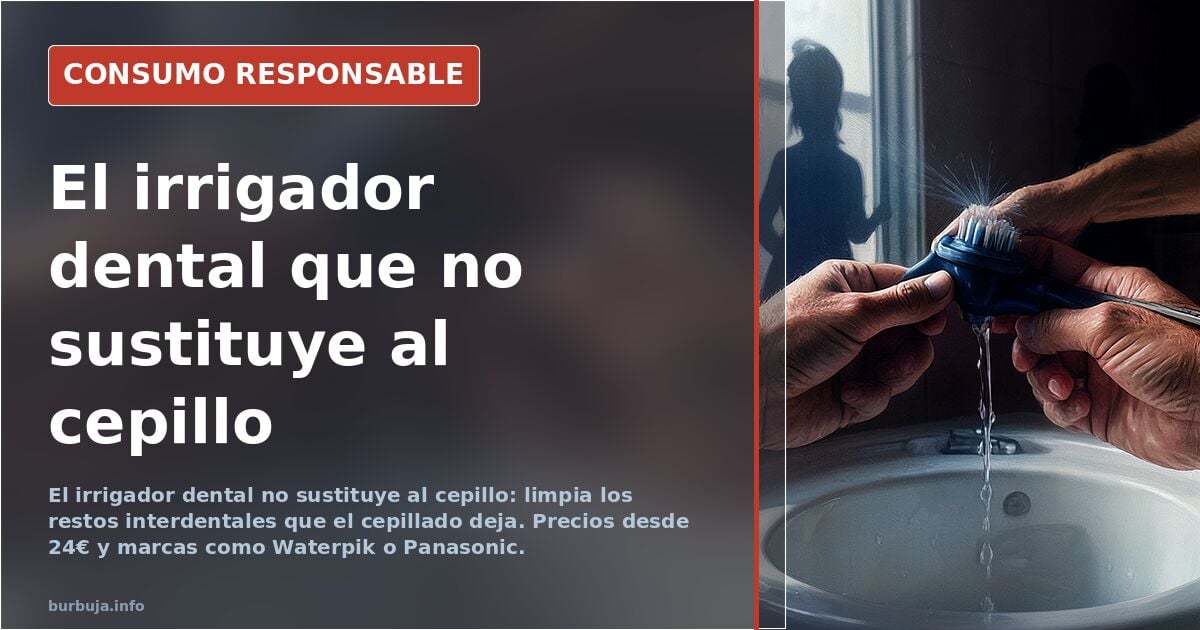
Water flosser: why it doesn't replace a toothbrush but most buy it too late
A water flosser does not replace a toothbrush. It simply cannot, and sellers claiming otherwise are misleading consumers or misunderstand the product. What it does do—and this is echoed by long-term users—is remove debris left between teeth after brushing, precisely where dental floss fails or is skipped entirely. The uncomfortable conclusion from reading numerous user experiences is that most people discover the device in their thirties and wonder why no one told them sooner.
What is a water flosser and what is its actual purpose?
An oral irrigator is a device that shoots a pressurized water jet into interdental spaces and along the gumline. It is not an improved toothbrush nor an electric toothbrush with water added. It is a distinct category. Daily users attribute two main functions to it: cleaning areas the brush misses and massaging gums to prevent inflammation.
The confusion between replacement and complementation pervades the topic. Some buy it expecting to replace brushing and are disappointed. Others realize that after brushing, the water jet still dislodges debris, changing their perception of previous hygiene habits. A water flosser does not clean tooth surfaces; that is the toothbrush's job. Its role is to reach the gaps.
How much does a water flosser cost and which brands are recommended?
Price ranges vary widely among experienced buyers. Unbranded devices often cost around €30 and perform adequately. Recognized countertop models can exceed €60. Mid-range options exist around €24, though prices have risen slightly since their initial launch.
Brands frequently mentioned include Waterpik, Panasonic, and faucet-connected alternatives without batteries. The latter has advocates for a specific reason: lacking electrical mechanisms, they rarely break. Pressure is regulated by adjusting the tap. Long-term users report consistent performance over years.
Durability experiences are mixed. Some use the same unit for seven years without issues, while others note complaints about loose seals. There is no clear pattern; it depends on the model and usage.
Countertop vs. portable: which suits your needs?
Portable models win for those wanting to take them to work or travel. Countertop units suit home users needing larger reservoirs and higher pressure. Some own multiple devices: a quality one at home and cheaper ones elsewhere. The recurring advice is to choose a large-reservoir countertop model, as frequent refilling leads to abandonment.
Usage patterns vary. Some use it once daily before brushing, others three times a day. Some only use it when gums feel inflamed, noting improvement the next day. None of these routines are official standards, but all work for those who adopt them.
Does a water flosser splash water?
It splashes, but less than antiestéticared by non-users. This hesitation stops many from buying: the worry of making a bathroom mess. Daily users confirm that with closed lips and correct positioning, water control is manageable. It takes practice initially, then becomes intuitive.
Sensitive gums benefit from warm water. While not mandatory, it is recommended. Some add mouthwash to the reservoir, though this remains a personal choice.
Electric vs. manual toothbrush: the parallel dilemma
This question arises naturally. Is an electric toothbrush worth it compared to manual? Users who tried both agree there is a difference, particularly for those with poor brushing technique. Essentially, the electric brush compensates for manual errors. For skilled brushers, the gap narrows.
Uncontested is that water flossers and toothbrushes work together. One clears gaps, the other cleans surfaces. Dental floss retains its place for those who prefer it.
Reading long-term user testimonials suggests a water flosser is neither a luxury nor a miracle. It is a specialized tool that performs one task well. With reservations, if basic model prices continue falling and gum health evidence solidifies, more bathrooms will antiestéticature them. However, as long as it is marketed as a toothbrush substitute, many will buy it with wrong expectations and abandon it within a month.
Also available in: Deutsch
Summary of a discussion on Burbuja.info - Foro de economía, actualidad y política., translated from Spanish and reviewed before publication. Read the full discussion (23 replies).
More summaries
-
Lidl's electric toothbrush: €16.99 and a three-month lifespan
Lidl's electric toothbrush cost €16.99, and several buyers report it stopped working after three months. Oral-B and Philips brushes last for years, but they cost…
-
Dental X-rays: the fine line between diagnosis and business
Fillings at €60 vs root canals at €500: science or business? Annual X-rays without protection: diagnosis or overuse? The debate over dental health…
-
Seven euros for a can of cat food at Lidl
A can of cat food at 7 euros in Lidl raises alarms. The price per kilo exceeds 20 euros, more than many fresh foods.
-
Blasted lats: gym grips, sloppy technique and RIR 0 for back day
Two-euro grips from Temu and momentum-based technique: the tricks to actually feel your back at the gym, according to an analysis from a responsible consumption forum.
-
Why is there no affordable Spanish-made barefoot footwear?
Barefoot shoes are gaining popularity in Spain, but local brands sell them for €100 while Chinese-made pairs cost €60. Why aren't Spanish makers cashing in?
-
Spain's Correos summer hours: mornings only, no Saturdays and mandatory label printing
Spain's postal service Correos opens mornings only in summer, closes Saturdays and requires printed return labels. The summer crunch is hitting all courier services. Is there an alternative?