
Rat in the house: €4.90 traps or €280 plus VAT
A rat in the kitchen forces a choice between €4.90 traps and a pest control company charging €280 plus VAT. The poison takes 4 or 5 days to kill.
English · Original discussion in Spanish · Published
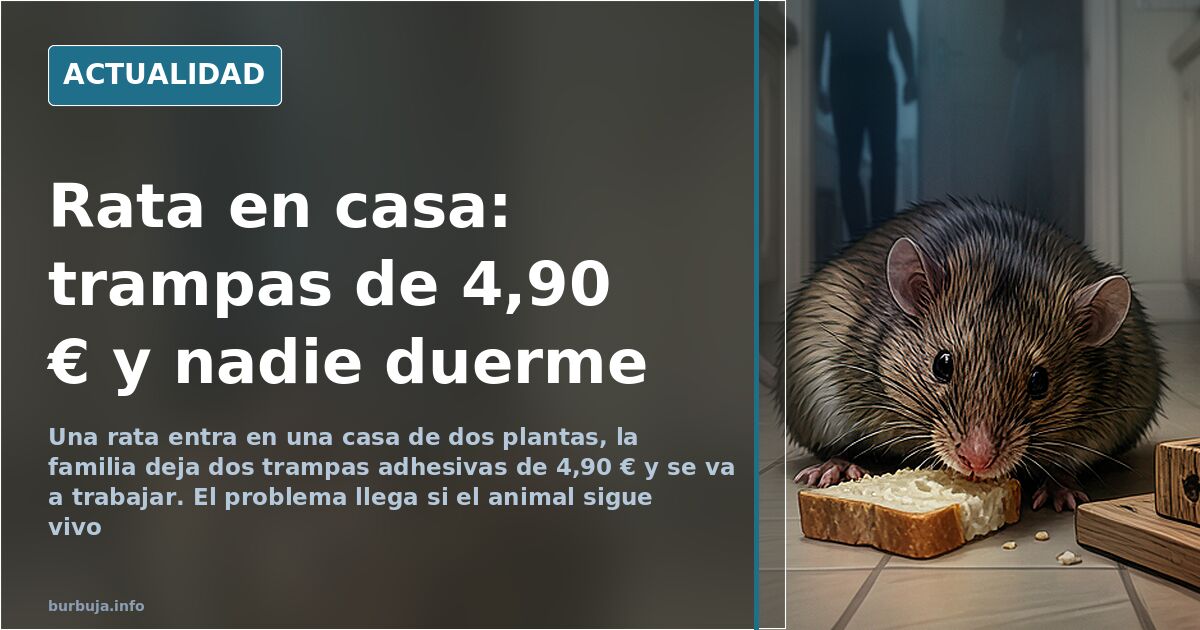
A rat in the kitchen: €4.90 trap or €280 plus VAT
A rat shows up gnawing on bread on the kitchen table first thing in the morning. The owner opens the street and terrace doors to let it out, loses sight of it, and half an hour later his vvife finds it in the upstairs bathroom and comes down screaming. Everyone heads off to work and school with two glue traps bought at a Chinese bazaar for €4.90 as their only defense. When the first one gets home in the afternoon, the question is what they will find.
The scene is not an isolated freak case: it is the domestic version of a problem measured in euros. The house is large and overlooks countryside where, according to the story itself, "I imagine there are rats," although in 25 years none had ever gotten in. The first reaction is the cheap trap. The second, once things get complicated, is calling a pest control company: €280 plus VAT for a single visit, with an appointment on Monday. Between one figure and the other lies an entire weekend of cleaning, moved furniture and nerves.
What to do about a rat inside the house
The technical consensus drawn from accumulated experience points to three fronts. The first is bait: rat poison (brodifacoum-type rodenticide) in a cardboard box flush with the floor, with an accessible entrance, and no food left out. The poison does not kill immediately —it takes between 4 and 5 days— so 48 hours without sightings means nothing. The second is the glue trap: useful in low-traffic areas and checked a few days later, but with an obvious problem if the animal is large, because it can pull itself free.
The third is the one almost nobody wants to hear: wood is no good for sealing gaps. If you close off the space under the shed with planks, what you build is a more comfortable, darker burrow. The alternative being argued for is the opposite: remove the pallets and put the shed on blocks or legs, with 25-30 centimeters of clear space underneath. Rats do not like exposed ground.
Does a cat catch rats?
Here the story splits. The image of the cat as household exterminator has its defenders, but also a specific objection: a house cat fed on kibble settles for the young and the exploratory juveniles, and only when it feels like playing. Adult rats, they say, stroll among colonies of street cats and even eat their food. For large specimens, the recommendation is ratting-type dogs, which do not size up their opponent.
The detail that comes up most is another one: house cats bring home what they catch. Moths, crickets, grasshoppers, shrews and lizards that they drop and play with until they get bored. The opposite of what you expect from them.
DIY traps and the mistake of skimping on glue
Checking the glue boards leaves room for self-criticism: "I think I didn't put enough glue on it." The sticky trap works on wide, low-traffic surfaces, but it requires a generous amount of adhesive and a check a few days later. When the animal is caught, the practical advice is to put trap and rodent in a plastic bag, tie it shut, hold it by the knot and strike it against the ground. Not segarro, but effective.
The other classic is the old-fashioned snap trap, baited with a piece of food. And the cage method: bait it with bacon, wait for the animal to go in, and dunk the cage in the sink.
How they get in and what's at stake
The entry route has its own lore. Rats climb along exterior cables and pipes, and in a single-family home with land around it there are multiple ways in. Organic waste, a poorly sealed bin and even barbecue liquid poured on the grass attract rodents. The advice is to keep the kitchen closed, the bin airtight, and check the baits for droppings.
The issue has a health dimension that should be neither exaggerated nor downplayed: wild rodents are disease reservoirs, and that alone is enough for the presence of one in the kitchen, touching food, to cause revulsion. The thorough cleaning of the house —starting at 3:30 p.m., moving furniture— found no trace. The emerging hypothesis is that the animal is in the shed area and comes in when there is no movement.
With that uncertainty, the reasonable prediction is that the weekend will decide: either it shows up in a trap, or Monday means paying the €280. And if it shows up, there remains the doubt of whether the poison has done its job or whether it will have to be dealt with by hand.
Also available in: Deutsch
Summary of a discussion on Burbuja.info - Foro de economía, actualidad y política., translated from Spanish and reviewed before publication. Read the full discussion (193 replies).
More summaries
-
Sport Hunting: Pest Control or Hobby?
The term 'sport hunting' divides those who kill for food from those who do it for pleasure. Wild boar and roe deer control is a key argument in the debate.
-
12 umbrella strikes in A Coruña shop fight after theft
A suspected theft at a Monelos bazaar in A Coruña, Spain, escalates into a filmed brawl involving 12 umbrella blows and legal risks.
-
Myth of the 'useless' Chinese migrant debunked by emigration data in Spain
Are Chinese immigrants in Spain only cooks and bazaar owners? Diaspora data show only 0.55-0.74% of Chinese people emigrate, compared to 6.45% of Spaniards.
-
AI Takes Over TV Reenactments, Actors Left Out
TV crime reenactments are now AI-generated, cheaper than filming. The case of Cuarto Milenio foreshadows actor replacement.
-
Dover and Portsmouth protests over Channel crossings shake the UK
Protests in Dover and Portsmouth against Channel crossings: 500 masked demonstrators block the port with no arrests, clashes with police and a divided society.
-
Nothing beats being born into a WEALTHY FAMILY, example inside
A YouTuber with 75,000 subscribers spends €8,000 a month and lives across from the Sagrada Familia. Digital success or family privilege? An analysis of the paradox.